Turning an AI haircut render into something your barber can use
You can hand a barber a photograph and get five different haircuts from five different barbers. What travels between them is not the picture, it is the guard number, the fade height, the neckline and the length on top.
6 MIN READ·UPDATED August 2026
You have the render. You show it to the barber, he nods, and forty minutes later you have a haircut that is related to the picture without being it. Nothing went wrong in the shop. The photograph never contained the instruction.
What a photograph does not say
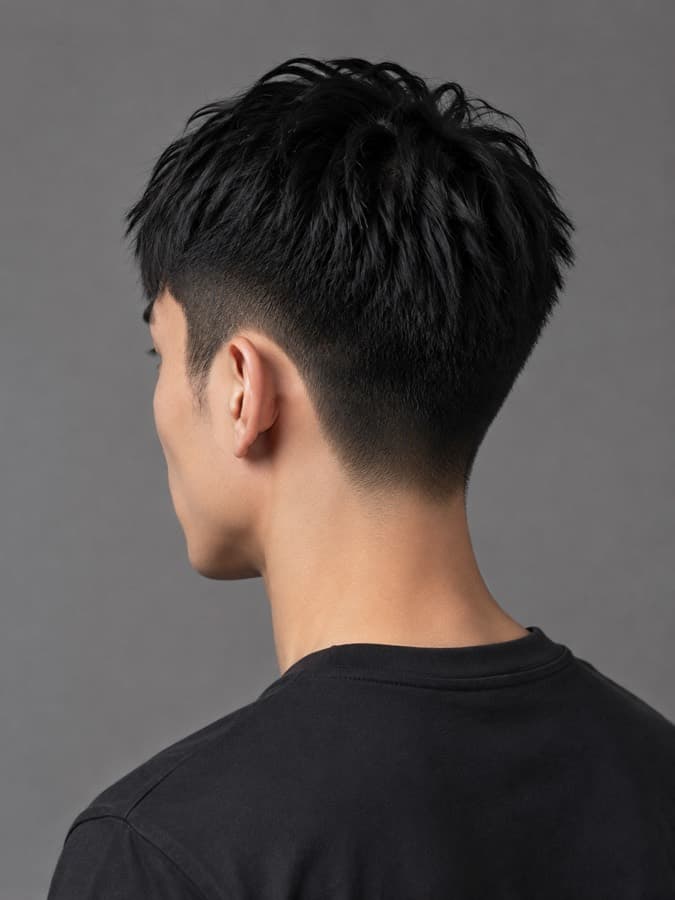
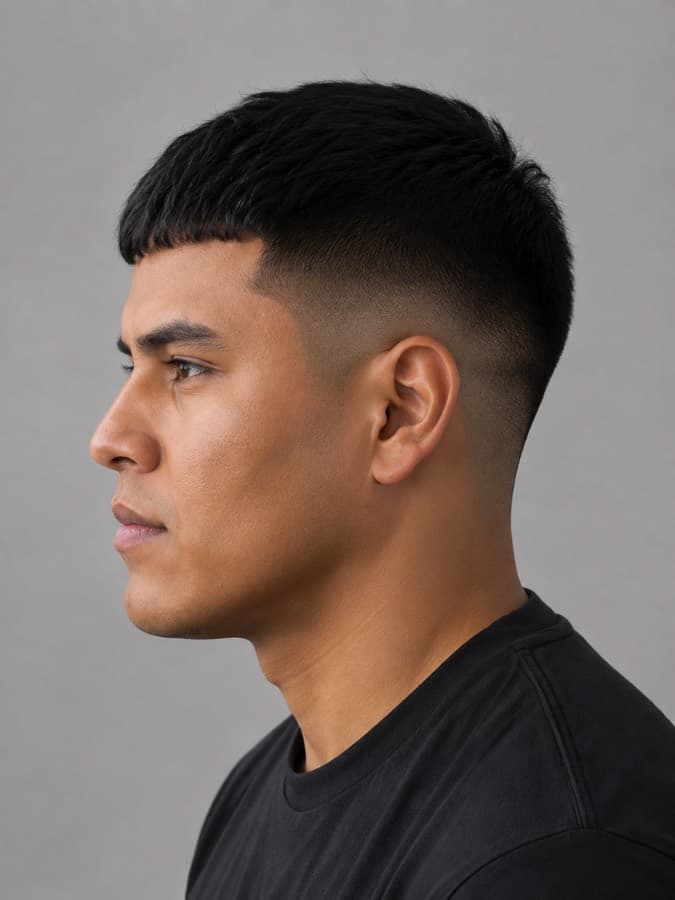
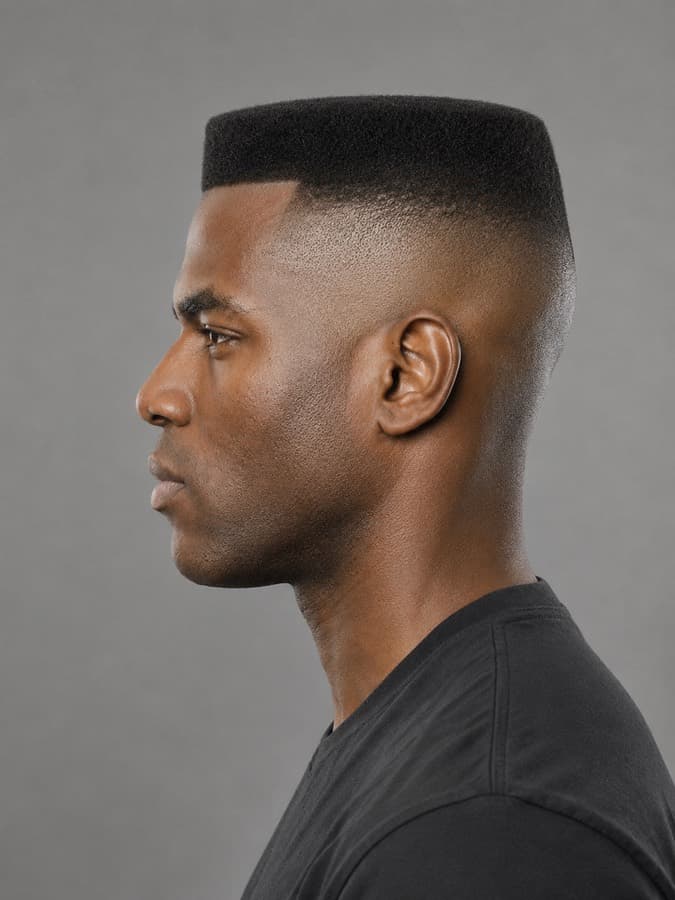
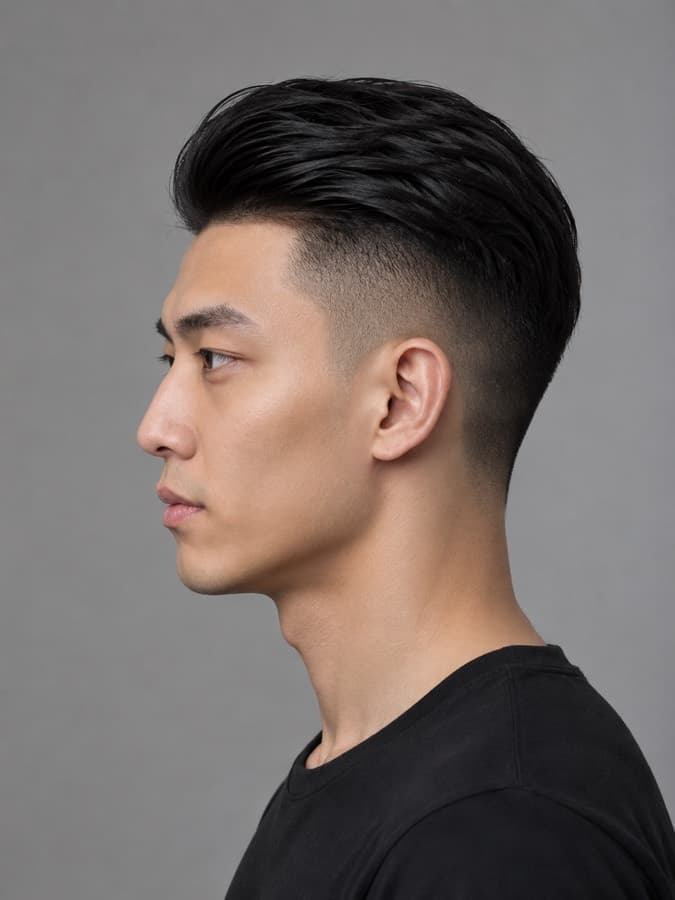
A picture shows a result. A barber works from a method, and the method has four or five decisions in it that are invisible in any photograph. Hand the same image to five barbers and you will get five haircuts, because each one resolves those decisions differently and none of them were asked.
This is not a shortcoming of AI renders specifically. It has been true of every photograph anyone has ever carried into a barbershop. It just matters more now, because the render raises your expectation of how close the result will be.
Guard numbers
This is the unit the trade actually works in. Each number is that many eighths of an inch of hair left behind, which is why a two-number instruction like “#2 blended to #1” carries more information than a paragraph of description.
| GUARD | LEAVES |
|---|---|
| #0 (bare blade) | ≈ 1⁄16" · 1.5 mm |
| #1 | 1⁄8" · 3 mm |
| #2 | 1⁄4" · 6 mm |
| #3 | 3⁄8" · 10 mm |
| #4 | 1⁄2" · 13 mm |
| #5 | 5⁄8" · 16 mm |
| #6 | 3⁄4" · 19 mm |
| #7 | 7⁄8" · 22 mm |
| #8 | 1" · 25 mm |
The four things to specify
- How high the fade goes. Low, mid or high, described against a landmark on your own head: at the temple, level with the top of the ear, or above it. This is the decision that changes the haircut most and the one photographs hide worst.
- How short the shortest point is. A guard number, or skin. “Faded” without a number is not an instruction, it is a genre.
- The length on top, in inches. Not “short”. Short means two very different things to a man with a buzz cut and a man growing out a middle part.
- The neckline. Natural, tapered or blocked. Natural follows your own hairline and grows out invisibly. Blocked is a straight horizontal line, looks sharp for two weeks, and then looks like a shelf.
The prompt that writes the spec
Give it the render, or any photograph of a haircut you like, and it converts the picture into the rows a barber needs. The UNKNOWN rule is the important part: without it the model invents a fade height for the back of a head the photograph never showed.
A photograph of a haircut is attached. Write the instruction a barber would
need in order to reproduce it, and nothing else.

Use exactly this format:

SIDES — clipper guard at the top of the fade, guard at the shortest point, and
  where the fade line sits relative to the ear and the temple.
TOP — length in inches, the cutting technique (point cut, scissor over comb,
  clipper over comb), and the direction it is styled.
FRINGE — length relative to the eyebrows, and blunt, textured, or swept.
NECKLINE — natural, tapered, or blocked.
PART — none, natural, or hard.
UPKEEP — how many weeks before it is visibly out of shape.

RULES
If the photograph does not show enough to answer a row, write UNKNOWN for that
  row. Do not guess and do not infer from the front what is only visible from
  the back.
Do not describe the man. Do not comment on whether it suits him.
Do not add advice, alternatives, or a closing paragraph.
Any row that comes back UNKNOWN is a question to ask in the chair rather than a gap to ignore. Usually it is the neckline, and the neckline is the part you will be looking at for the next six weeks.
What to actually say in the chair
Say the four decisions out loud before you show anything. The photograph is a reference for the shape, not the brief, and a barber who has heard the numbers first will read the picture the way you meant it.
- Lead with the fade height. “Low taper, so the fade sits at my temple and stays under the corner.” It is the one that cannot be walked back.
- Then the shortest number. “Number two at the shortest, blended up.”
- Then the top, in inches. “Leave two inches on top, textured.”
- Then the neckline. “Natural at the back, not squared off.”
- Then show the photograph. And say what you are showing it for. “This is the shape I am after” is different from “make me look like this”, and barbers hear the difference.
Every cut in the catalog already carries those four rows written out, so you can read them off rather than reconstructing them from a render. That card is the reason this app exists: the render tells you whether you want the cut, and the card is what gets you it.
Questions
- What do I actually say to a barber?
- Lead with the fade height, because it is the decision that cannot be undone. Then the guard number at the shortest point, then the length you want left on top in inches, then the neckline shape. Show the photograph after you have said those four things, not instead of saying them.
- What do clipper guard numbers mean?
- Each guard number is that many eighths of an inch. A #1 leaves an eighth of an inch, a #2 leaves a quarter, a #4 leaves half an inch, an #8 leaves a full inch. A #0 is the bare blade, close to a sixteenth. This is the unit barbers actually work in, which is why a photograph alone leaves them guessing.
- Why do I get a different haircut than the photo I showed?
- Because the photograph did not specify the parts that were ambiguous, and the barber resolved them for you. Fade height, blend length, neckline shape and how much comes off the top are all invisible in most photographs and all decided in the first five minutes of the cut.
Or skip the prompt and let it do the whole job.
FreshCutz runs this with both photos instead of one, with a reference photograph behind every cut so the style lands where you asked, and it hands back the guard numbers with the render. Two photos, about a minute.
First one free · 6 for $2.99
SEE IT ON YOUR FACE — FREECuts to run it on
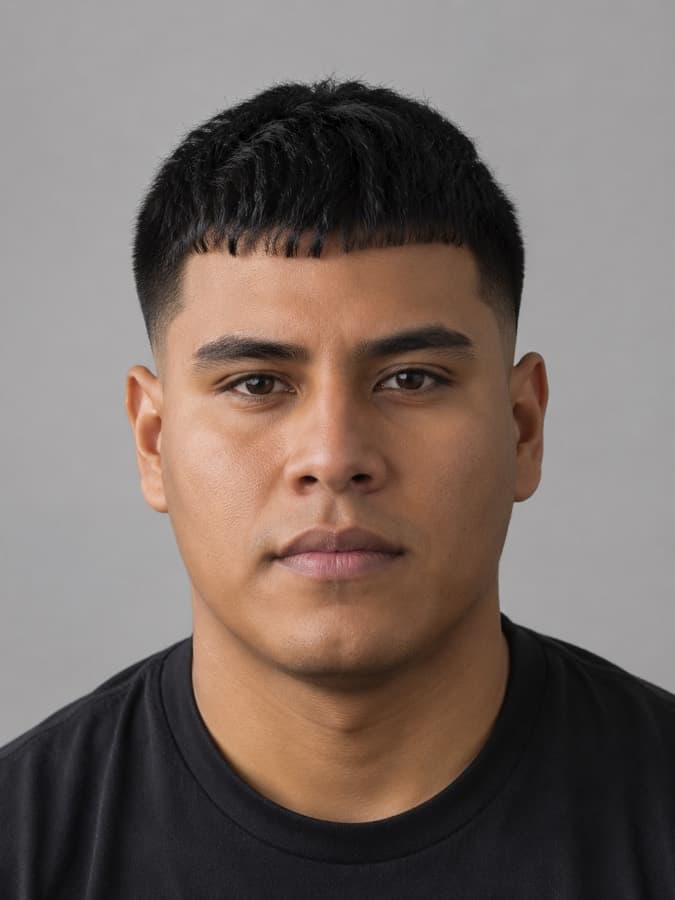
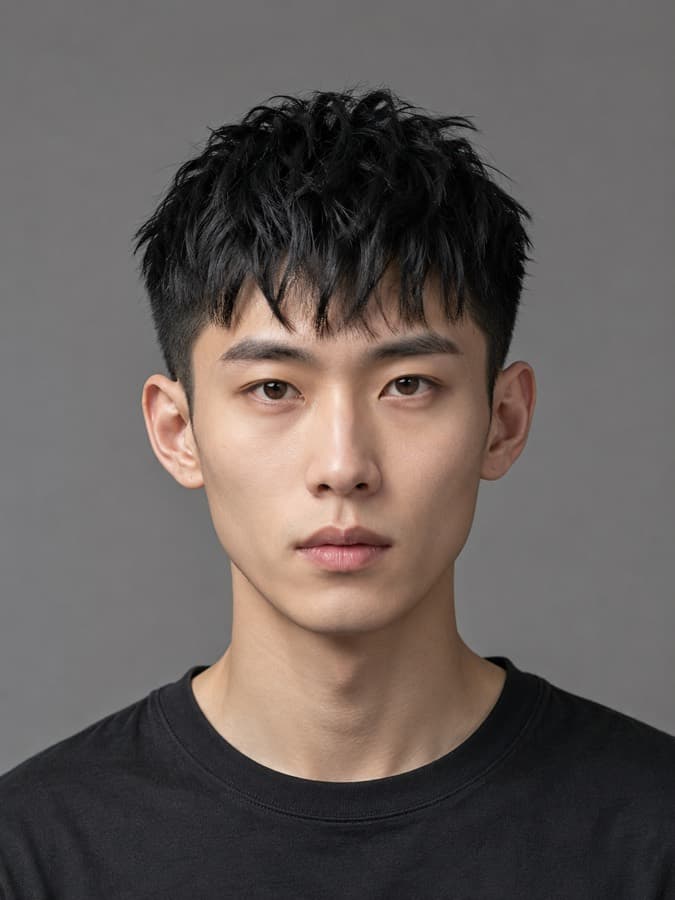
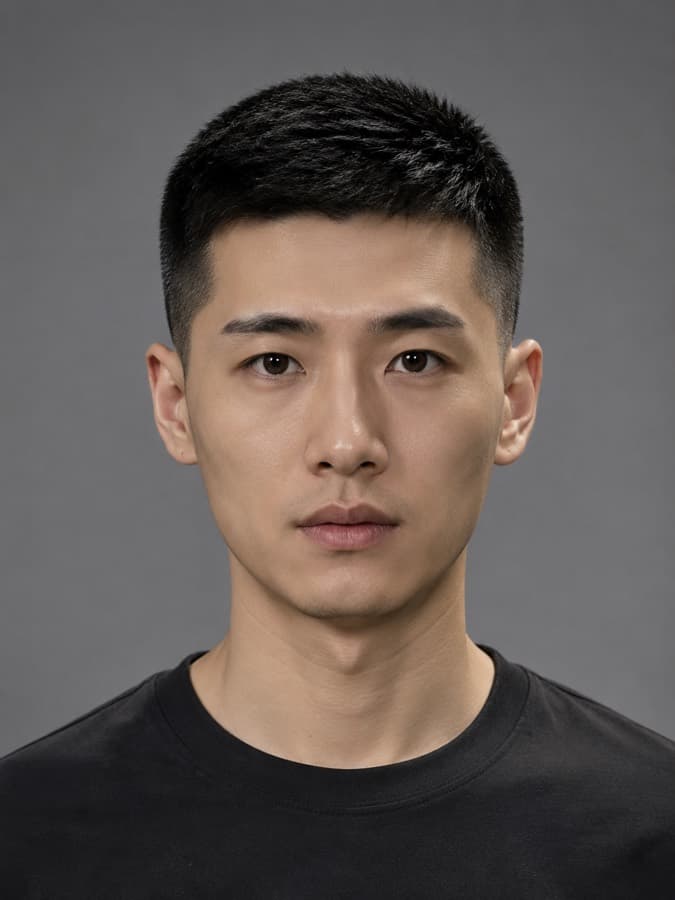
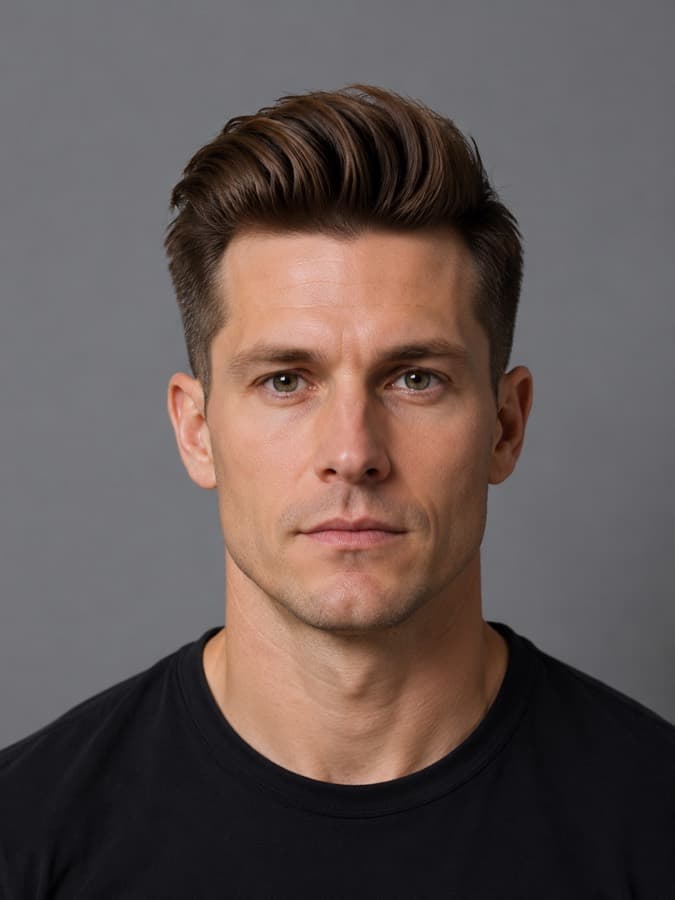
Each one carries the guard numbers, so you can lift the spec straight into the prompt above.
Read next
- The ChatGPT haircut prompt that actually worksThe full prompt, plus the four failures no prompt fixes.
- What haircut suits my face? The prompt that gets a straight answerA diagnosis prompt, and the test for whether it is guessing.
- Why AI changes your face in haircut photosFive causes of drift, five fixes, and the one that persists.